The wars in Ukraine and abroad have made the production of quadcopters and RC planes truly a mine-field for the ethical builder. As such, careful deliberation was made to define RC plane constraints which aim to effectively eliminate dual-use capability in the Yeehata Mono.
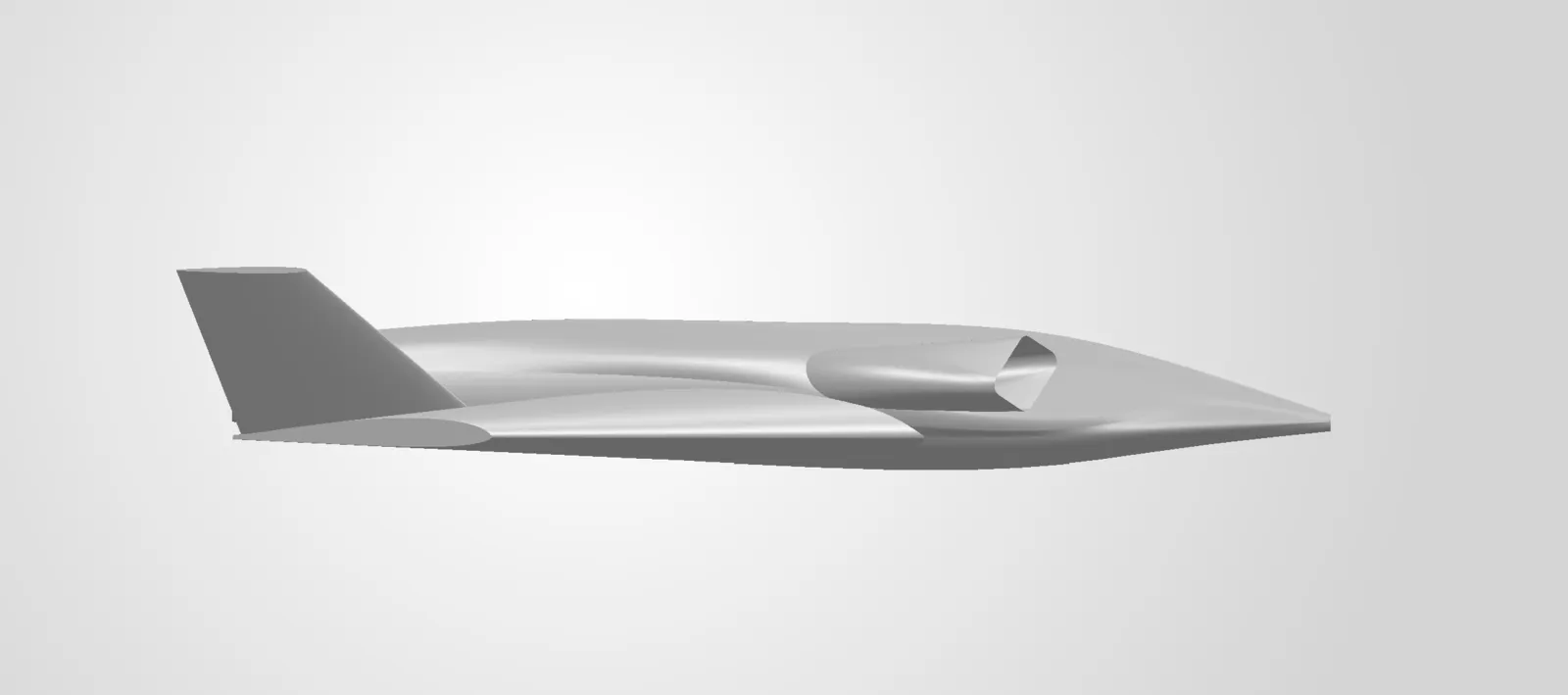
Core Objectives
The main objectives of this project are:
- Bring the highest-immersion FPV Gimbal Jet kit to market with the lowest barrier to entry in the < $1000 category.
- Remain attractive to both beginner and advanced hobbyists alike, while being wholly unfit for military purposes.
- Provide Lego-like instructions, with a second set of more technical instructions the beginner can graduate to.
Design Constraints
To achieve these objectives, particularly dual-use elimination, the following constraints were stringently chosen:
- Thrust-to-Weight Ratio: The bare-bones thust-to-weight ratio should be very close to 1:1, which physically limits the plane from taking on additional payload (weapons).
- Flight Profile: The plane should be fast, with a short flight time - providing high stimulation to the user in smaller-more manageable bursts, while eliminating long-range loiter capabilities.
- Gimbal Placement: The FPV camera and gimbal will be top-mounted - a design decision that is a major bonus for hobbyists looking for immersion, and major deterrent for bad-actors who primarily look for ground-view cameras for targeting.
- No Autonomous Waypoints: We will never provide or support "Mission Planner" configurations that allow for autonomous, GPS-based loitering.
- Manual Control Focus: All Yeehata products are designed for active pilot input. We optimize for the "feel" of the stick, not the "click" of a mouse.
By optimizing the Yeehata Mono for high-speed, 50mm EDF performance within a strict 700-750g weight envelope, we’ve "performance-locked" the airframe. Unlike high-efficiency loitering drones designed for endurance, the Mono is a high-energy "battery hog." It’s designed for the pilot who wants an intense, 5-minute adrenaline rush, not for someone looking for a utility surveillence or munitions platform.
Repairability as a Standard
Instead of building a "disposable" or "fragile" craft, we’ve leaned into Modular Repairability. Because the Mono is an additive-manufactured project, a bad landing isn't the end of the plane. You can reprint a wing or a nose section and be back in the air by the next morning. This keeps the project sustainable for the enthusiast and keeps the focus where it belongs: on the craft of building and the joy of flight.
COMMENTS_CHANNEL
No comments yet. Be the first transmission.